The guides
How to plan a viewing trip to the Costa Blanca South
Areas first, houses second.
Almost everyone plans the trip backwards: ten viewings requested from three agencies, squeezed into two days, and home again without knowing which town they wanted to live in. Houses look alike; places do not. This guide puts the trip in the order that saves you a second one.
Contact
We work in English, Spanish, Dutch, German and French.

Clemente Ruiz Abenza, Wikimedia Commons, CC0
How many days, and in what order
Three days used well are worth more than a week of viewings. The first for the areas, with no agency at all: drive through the towns and urbanisations on your list, stop, walk, have a coffee, look at the parking at dinner time. The second and third for houses, by then only in the two or three areas left standing.
If you only have a weekend, the split is the same: one morning of areas, the rest for viewings. What does not work is starting with the houses. Each viewing takes an hour with the drive, and after the fourth nobody remembers which was which.
When to come: winter tells you more than summer
A coastal urbanisation in August is full; the same one in February can be nearly empty, with half the shops shut. Neither picture is false, but only one of them looks like your life if you plan to be here all year. If you can choose, come out of season, or come twice.
Agencies work all year; town halls and public counters too, by appointment. What changes is the coast traffic and the accommodation, much easier from November to March.

Zarateman, Wikimedia Commons, CC0
Where to sleep and how to get around
Sleep in the area you are least sure about, not the most convenient one. Two nights in a town tell you more than two viewings. A short-stay apartment also measures what no brochure mentions: the noise, the light, the slope up to the bakery.
You need a car. The urbanisations of the Costa Blanca South are built around it, and the distances between towns are not walkable and not well served by bus. A hire car from the airport is the norm, and it is the same car you use for the route through the areas and for the viewings.
How many houses a day, and what to ask for before each one
Four a day is the most anyone remembers. Beyond that the phone photos blur together and the decision is made about the last one you saw, not the best.
Before confirming a viewing, ask the agency for the cadastral reference and, if you can, the nota simple from the Land Registry. They take minutes to read and tell you who the owner is, whether there are charges and whether what is for sale matches what is registered. Discovering a charge on viewing day turns the viewing into a loss. Ask also for the last year's community fees and the IBI bill: those are the two amounts that will keep arriving every year.
What to look at in each house that the agency will not show you
The orientation, and what time the sun reaches the terrace. The state of the community: the pool, the corridors, the notice board, which says more about the neighbours than any brochure. Whether the property has a valid second-occupancy licence and whether what was built matches what the cadastre shows: a closed-in terrace or an extra room that is not registered is the buyer's problem, not the seller's.
And outside the house: how long it takes to reach the health centre and the hospital, where the supermarket that stays open all year is, whether the street has lighting and a pavement, and what lies behind the back fence.

Javier Martín, Wikimedia Commons, dominio público
Check the agency before you sit down
In the Valencian Community estate agencies must be listed in the official register, the RAICV. Checking is free and takes a minute. HolaBlanca, our sister site, publishes the directory of registered agencies by municipality and explains how to read it.
What the register does not change: the agency works for whoever pays it, and the seller pays. That is legitimate and normal; it is just worth remembering when you are told a house will be gone by the end of the week.
Free organised trips or a trip of your own
Some developers and agencies offer inspection trips with the flight and hotel paid for, or nearly. They are comfortable, and what you see on them is what the company sells, in the order that suits it, with little free time. On the forums of foreign buyers the advice that comes up most is to go and look, not to buy on that trip, and to come back on your own with a hire car.
A trip of your own costs more money and more organising, and it is the only one where you decide the order of the day. Between the two there is a third way: come on your own and spend the first day with someone local who does not sell houses.
What a day with us looks like, hour by hour
The week before, a call: budget, what the house is for, who will live in it and when. From that we send you a five-line plan and a route. In the morning we start with the area you doubt most: park, walk, go into the supermarket, look at the school or the health centre, ask in the bar. A second area before lunch; two or three in the afternoon, or the viewings at the agencies you have chosen, in map order.
You drive, we ride with you and translate whatever is needed. In the evening you receive a written summary, by area and by house, with what each one is missing. It is the document you use the next day to request the viewings that really matter, or that you take home knowing which town to search in.
A sample day, in pictures
Your route is built from your list. This one is an example between inland and coast. Swipe to follow it.
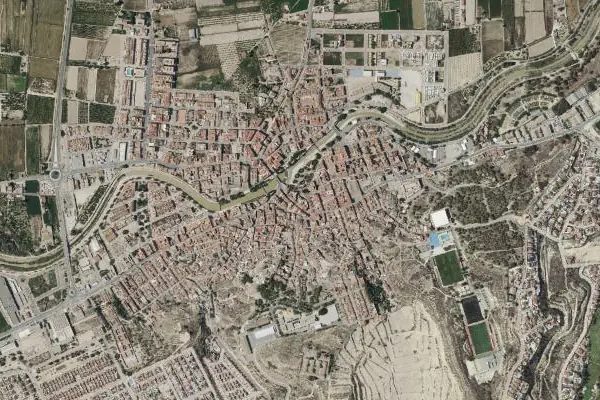 Rojales and Ciudad QuesadaThe town and its urbanisations: shops, school, health centre, and what a weekday looks like.
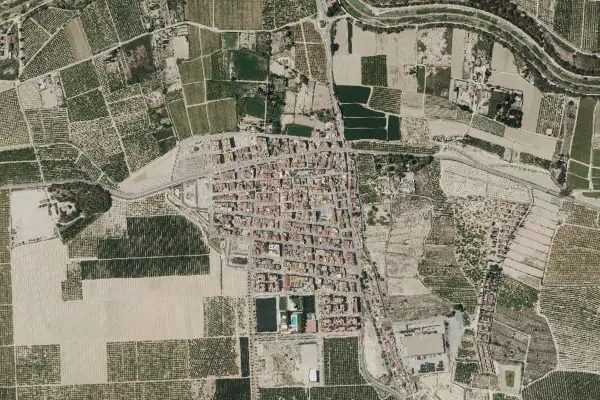 Algorfa and BenijófarInland villages, smaller and quieter: what you gain in calm and what you give up in services.
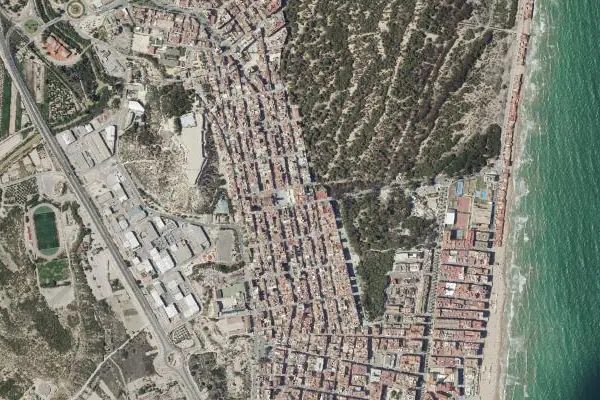 Guardamar del SeguraA town that lives all year round, between the pine woods and the sea.
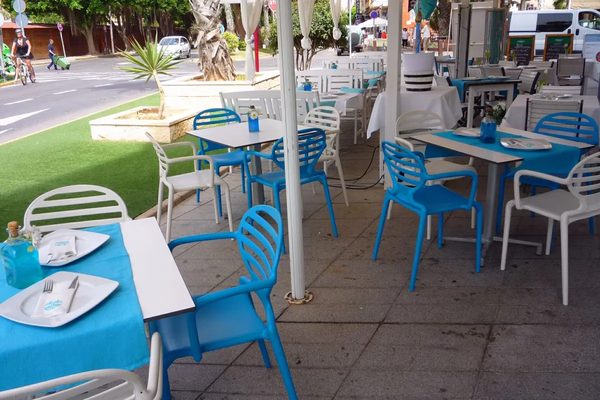 Lunch in TorreviejaThe big town of the area: hospital, harbour, shops, and a pace that does not suit everyone.
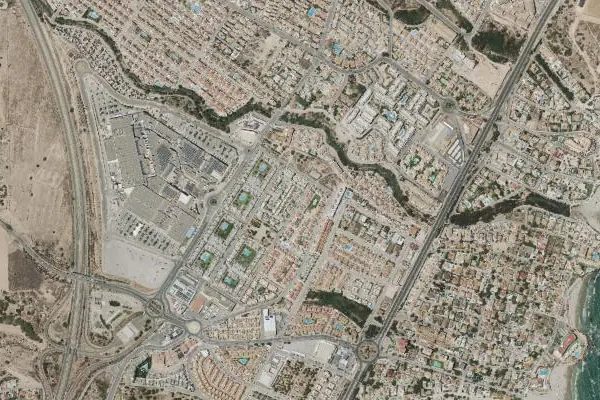 Orihuela CostaSeaside urbanisations: what they look like out of season, and what each community charges.
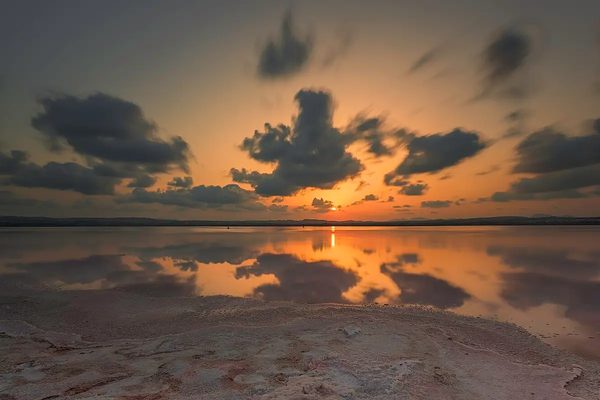 The summaryIn the evening, in writing: each area and each house, with what it is missing. The next day you know where to search.


Photos : PNOA cedido por © Instituto Geográfico Nacional, CC BY 4.0 · Zarateman, Wikimedia Commons, CC0 · Clemente Ruiz Abenza, Wikimedia Commons, CC0
Frequently asked questions
Do I need to speak Spanish for the trip?
Not to look at the towns. Yes, or someone who does, to ask a community of owners a question, read a town-hall notice or understand a small agency. The big agencies work in English; the small ones and the public counters almost never do.
Can I view houses without an NIE?
Yes. The NIE is needed to buy, not to view. If the trip is serious, start the application before you come or use the trip for the appointment, because it will be asked for on the day you reserve.
How many people buy on the first trip?
We do not publish figures we cannot check. What we see is that those who buy on the first trip have usually done the work on the areas beforehand, remotely or on an earlier trip.
What does this have to do with HolaOwners?
After the purchase come the papers: the bank account, the padrón, the non-resident taxes, the house shut nine months a year. That is our everyday work, and it is why we know which questions save trouble before you sign.
Services
The other guides
Official sources
- Spanish Land Registry (Catastro) electronic office
- Torrevieja Town Hall · Second occupancy responsible declaration
- València City Council · Second occupancy responsible declaration
- Public Administrations · Appointments for immigration procedures
- Suma Gestión Tributaria (Alicante provincial tax office) · what the IBI is
This page was last checked on 4 September 2026
Contact
We work in English, Spanish, Dutch, German and French.
Tell us your case in five lines
We answer the same working day, in your language. And if your case is not for us, we say so and tell you who to go to.